This article was written in English, and you can find the Korean translation at the link below.
(본 글은 영어로 작성되었으며, 아래 링크로 한글 번역글을 확인하실 수 있습니다.)

An increasing number of modern individuals are suffering from “Popcorn Brain,” a phenomenon where people become numb to the slow, real-world changes after adjusting to the intense stimulation of smartphones, leading to a severe decline in concentration. As dopamine addiction worsens, the brain responds only to fast, powerful visual stimuli—much like corn popping—and gradually loses the ability to read books or think deeply. In this guide, we diagnose the symptoms of Popcorn Brain and provide three specific action steps to restore the brain’s dulled senses and concentration through digital detox.
The Danger of ‘Popcorn Brain’: Responding Only to Popping Stimuli
The brain of the modern person has fallen into a state of severe information overload, with multitasking now a daily routine—watching a computer screen while touching a smartphone and keeping the TV on while flipping through short-form clips. “Popcorn Brain” refers to a phenomenon where the brain becomes completely unresponsive to the slow and subtle stimuli of the real world because of continuous exposure to intense, immediate digital stimuli. When smartphone dependency reaches its peak, prefrontal cortex function weakens, leading to attention deficit disorders, which cascade into smartphone side effects such as a drop in literacy skills or difficulty reading printed text. In fact, many individuals cannot tolerate even a few minutes of silence or waiting in everyday situations, unconsciously turning on their smartphones to induce dopamine release. When this media addiction becomes chronic, it degrades attention during work or studies, causes emotional dysregulation, and turns into a persistent state of lethargy and brain fatigue—a true modern ailment. To loosen up a hardened brain and start proper brain health management, intentional dopamine fasting and digital wellness habits that lower the threshold of stimulation are absolutely essential. Below, we examine three core action steps for digital detox to restore broken brain circuits and regain the power of thought in our daily lives.
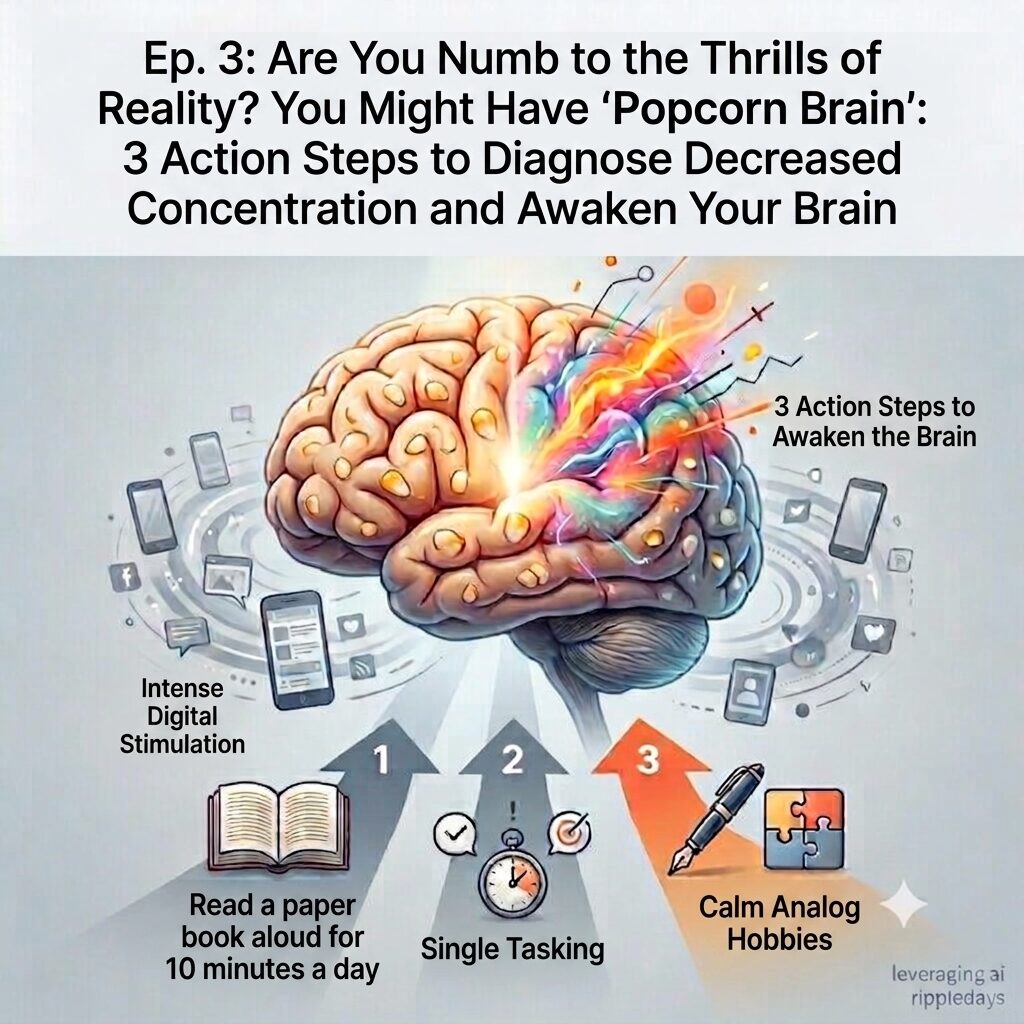
3 Action Steps to Awaken Your Dulled Brain and Restore Concentration
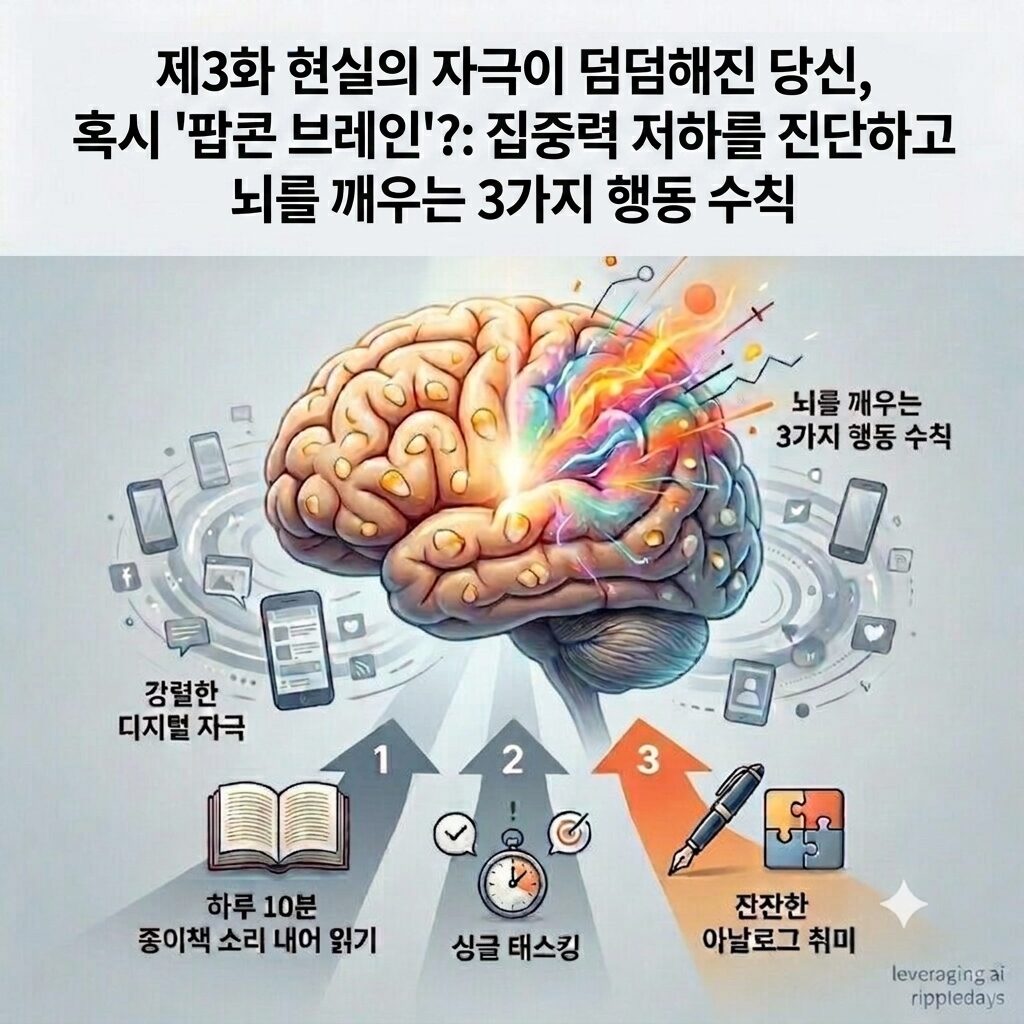
Step 1: The Power to Digest Text, ‘Read a Physical Book Aloud for 10 Minutes a Day’
The habit of “skimming” through information while scrolling down a smartphone screen is the primary culprit behind the degeneration of the brain’s deep thinking circuits and worsening literacy decline. To overcome this, you must open a physical book instead of a digital screen and practice reading the characters aloud with your mouth for just 10 minutes a day. Reading aloud simultaneously stimulates multiple sensory areas of the brain, gathering scattered attention into one place and effectively activating the fragmented functions of the prefrontal cortex. Unlike rapidly passing videos, digesting and understanding text on your own allows the brain to experience true rest and builds the baseline stamina required to remedy a decline in concentration.
Step 2: Transition from Compulsive Multitasking to ‘Single-Tasking’ in Daily Life
Multitasking, such as writing emails while listening to music or eating food while watching YouTube, continuously pushes the brain into a state of overstimulation, triggering Popcorn Brain. The brain cannot perfectly process multiple tasks at once; it merely switches attention at a rapid pace, consuming massive amounts of energy and accumulating fatigue. Starting today, you must intentionally train yourself to practice single-tasking—focusing on only one thing at a time. You need digital detox methods like focusing entirely on the taste and aroma of your food when eating, and keeping your smartphone in your pocket to focus on the surrounding scenery and the sensation of walking when strolling.
Step 3: ‘Lowering the Dopamine Threshold’ with Calming Analog Habits Instead of Flashy Videos
The core of smartphone addiction solutions is to artificially lower the intensity of the stimuli the brain receives, allowing it to feel the minor pleasures of daily life once again. Instead of consuming stimulating media provided by algorithms on a screen, try taking up analog activities where you move your hands directly to create a result. Activities that require slowness, such as transcribing using a fountain pen, drawing with a pencil on white paper, or solving a simple puzzle, offer emotional stability without putting excessive stress on the brain. Securing these analog clean zones and times not only naturally reduces screen time but also returns a brain that used to pop only at strong stimuli to a healthy state that finds satisfaction in calm stimulation.
A 3-Minute Checklist for Successful Brain Recovery
At the end of the day, review the checklist below to check how well you have practiced digital detox today.
- Did you immerse yourself for more than 10 minutes in printed matter or a physical book without a smartphone or monitor screen?
- Did you focus entirely on everyday activities like eating, walking, or conversing without pulling out your smartphone even once?
- Did you recognize and stop habitual multitasking, such as playing games or using messengers while watching videos?
- Instead of unconsciously turning on your smartphone during brief waiting times, did you leave your brain to rest blankly?
- Did you have time to sink into your own thoughts quietly or enjoy an analog hobby without notifications or noise from digital devices?
ripple point
If the stimuli of reality feel dull, it is not because your willpower is weak, but because your brain is exhausted. When you cut off intense stimuli and focus on simple daily life, your brain finally breathes again.
Hashtag
PopcornBrain #ShortAttentionSpan #DopamineAddiction #DigitalDetox #SmartphoneAddiction #LowLiteracy #TextDyslexia #BrainHealth #ModernAilment #BrainRest #ScreenTime #SmartphoneDependency #AttentionDeficit #DopamineFasting #DigitalWellness #InformationOverload #SmartphoneSideEffects #MediaAddiction #PowerOfThinking #BrainRecovery