This article was written in English, and you can find the Korean translation at the link below.
(본 글은 영어로 작성되었으며, 아래 링크로 한글 번역글을 확인하실 수 있습니다.)
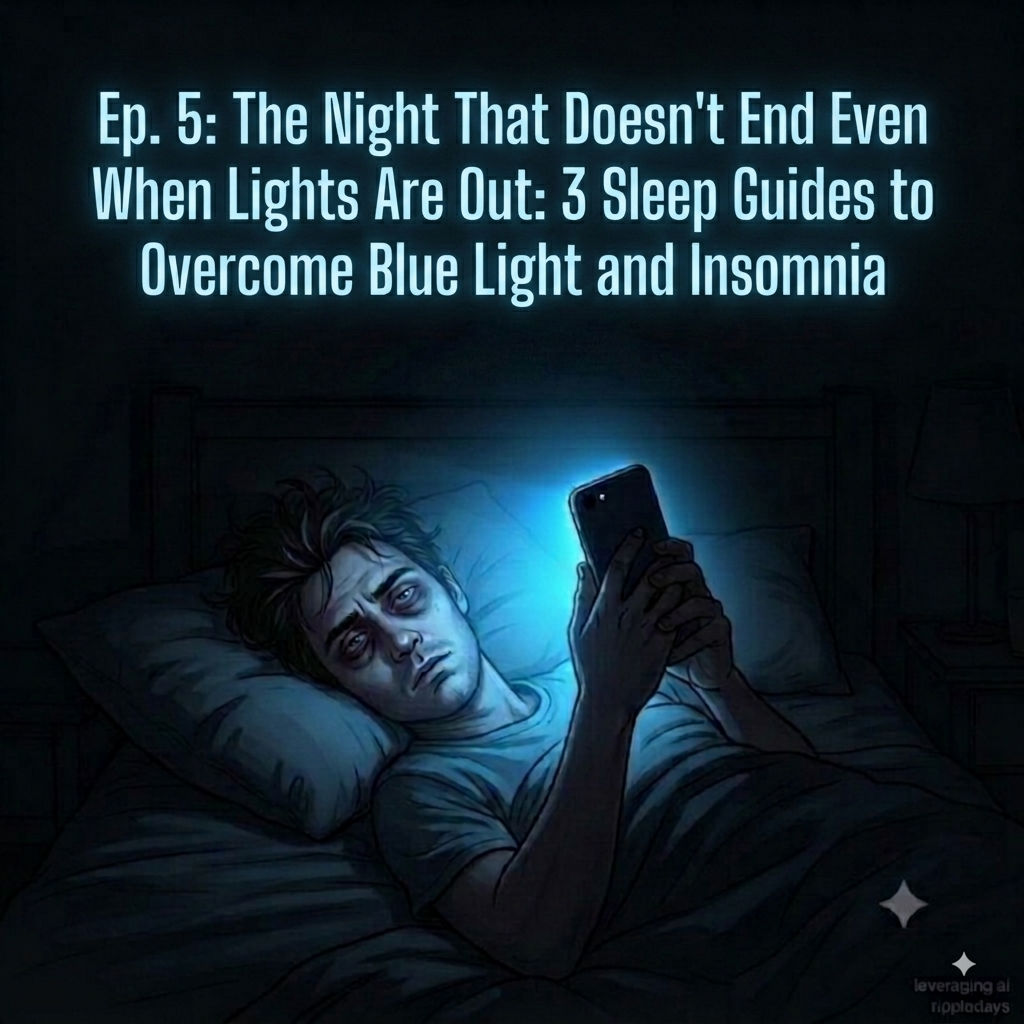
insomnia due to exposure to blue light while staring at smartphone screens in the dark while lying in bed late at night.
As smartphone dependency increases, the habit of using smartphones at night as a form of phone sleep anesthesia becomes consolidated, leading to smartphone side effects where the secretion of hormones that induce deep sleep is suppressed.
In this guide, we analyze the causes of insomnia from the perspective of sleep physiology and present three action rules to obtain brain rest and achieve an improvement in sleep quality through digital detox.
Sleep Physiology Destroyed by Blue Light: The Cause of Insomnia Repeated Every Night
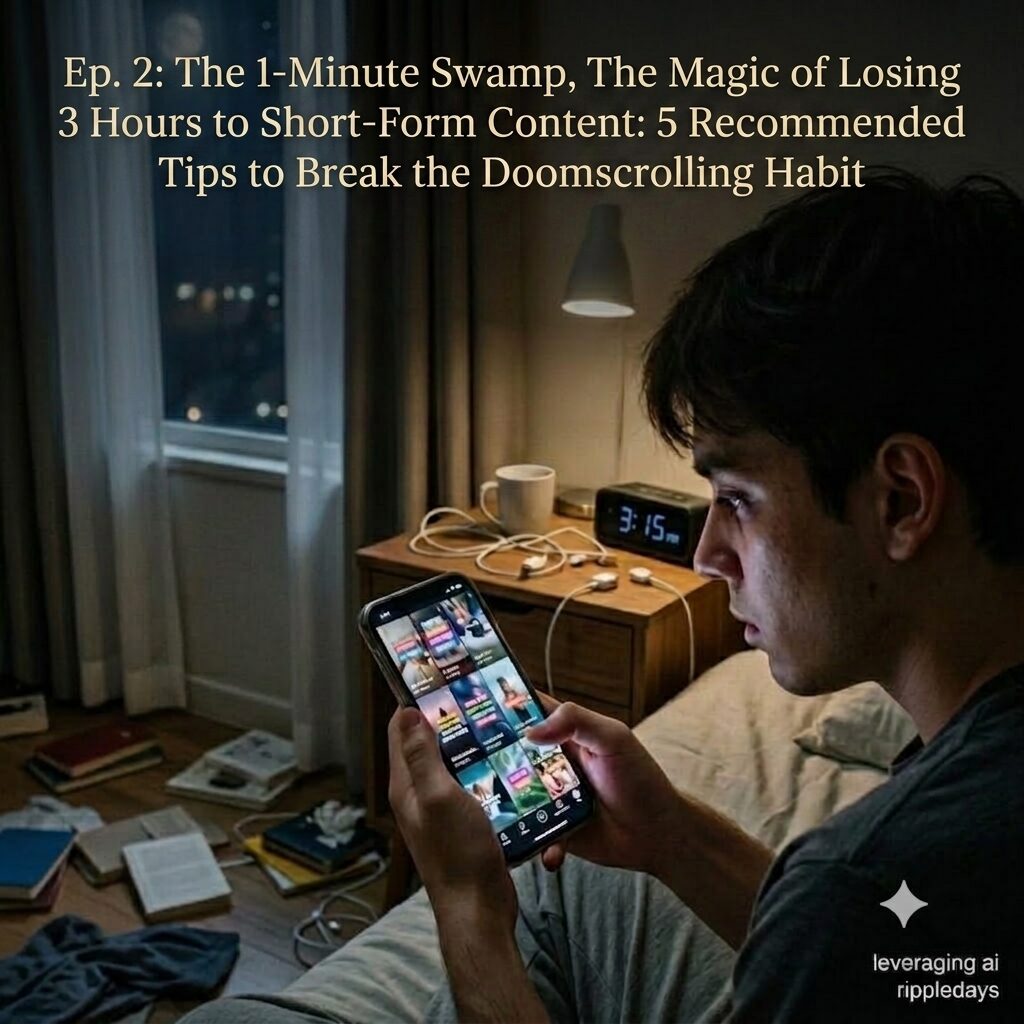
Many modern individuals greet the dawn after searching the news or watching short-form content in a state of smartphone addiction on their beds, treating it like a ritual to end the day.
The intense blue light emitted by smartphone screens even when the lights are out stimulates the retina of our eyes, causing severe information overload that makes the brain mistake the time for broad daylight.
The human body is designed to naturally fall asleep by starting the secretion of melatonin, which regulates the biological clock when it gets dark, but looking at a smartphone at night completely disrupts this mechanism.
Consequently, individuals suffer from sleep disorders where the time to fall asleep is delayed, and even if they seemingly fall asleep, they fail to enter slow-wave sleep, which is the deep sleep stage, hindering the improvement of sleep quality.
This prolonged media addiction and extension of screen time go beyond simply feeling fatigued the next day, establishing themselves as a common modern ailment that causes chronic fatigue and reduced immunity.
To restore the biological rhythm ruined by smartphone side effects and secure physiological brain rest, powerful control of the sleep environment from a digital wellness perspective is required.
If it is difficult to keep away from the smartphone on the bed by willpower alone, sleep-physiology-based ways to get a good night’s sleep and digital detox rules must be compulsorily applied to daily life.
Below, we will examine in detail three core action rules for overcoming insomnia and reducing smartphone usage time during the night that can be immediately practiced in daily life.
3 Ways to Block Blue Light and Get a Good Night’s Sleep
Step 1: Turn Off the Smartphone or Isolate It Outside the Bedroom At Least 1 Hour Before Falling Asleep
The habit of sleeping with a smartphone at the bedside is the most decisive factor inducing smartphone dependency, causing you to unconsciously turn the screen back on at night.
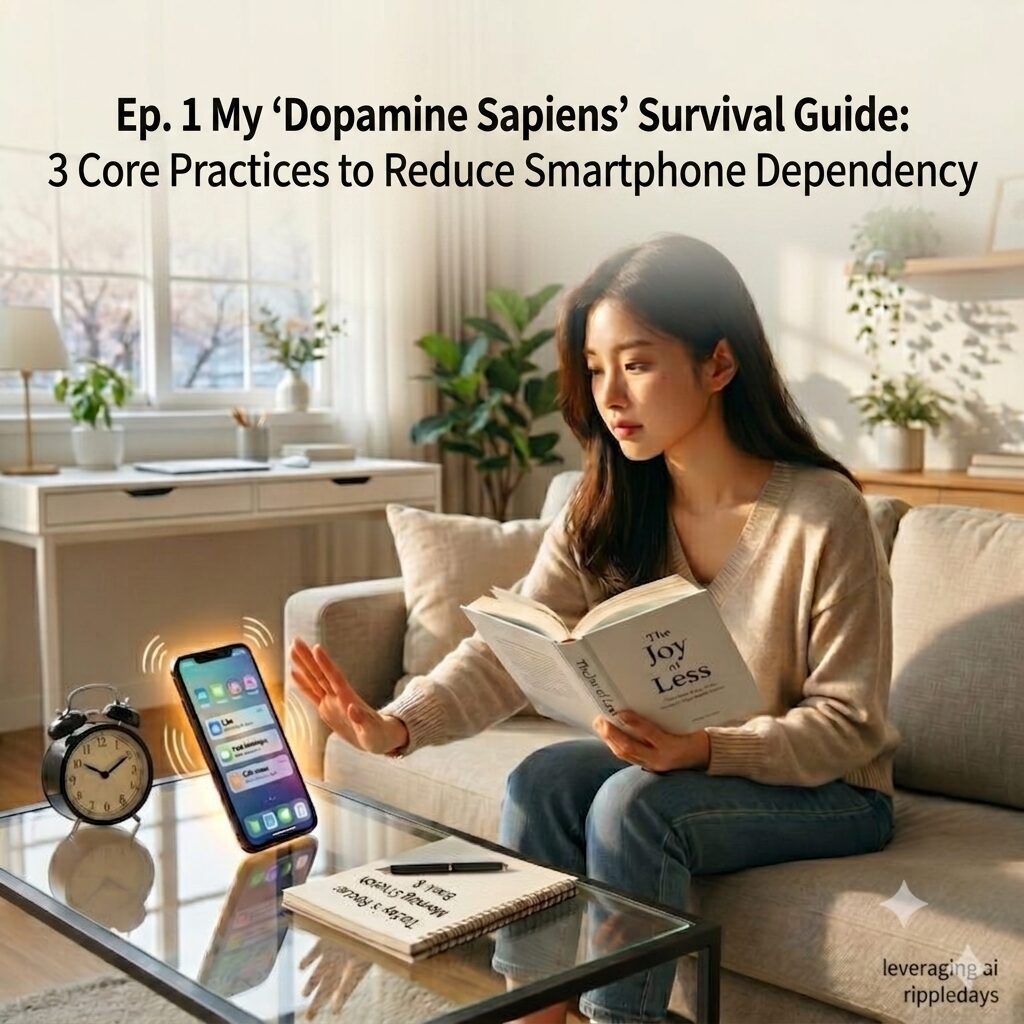
To fundamentally eliminate the cause of insomnia, you must isolate your smartphone in the living room or in a distant place out of reach from the bed at least one hour before falling asleep.
During this time, the brain stops consuming stimulating media, escapes from visual stimuli, and enters a state of complete brain rest where it can naturally activate melatonin secretion.
Simply setting up an analog environment that isolates the smartphone can reduce nighttime screen time to zero and serves as the most powerful first step toward overcoming sleep disorders.
Step 2: Unconditionally Activate Blue Light Filter and Dark Mode When Using Devices at Night
If you absolutely must use digital devices late at night due to work or unavoidable circumstances, you must establish defensive measures to minimize the blue light stimulation applied to the brain.
Always activate the night shift feature or blue light filter through smartphone and monitor settings, and switch the screen color scheme to dark mode.
The blocking filter physically attenuates the blue light region, which possesses the strongest energy among visible light and disrupts sleep physiology, thereby lowering eye fatigue and reducing brain overload.
This electronic device management habit of turning on the filter serves as a highly useful auxiliary tool for getting a good night’s sleep during the transitional stage before fully executing a digital detox.
Step 3: Build a ‘Sleep Routine’ Utilizing an Analog Alarm Clock and a Reading Light Instead of a Smartphone
The excuse that you have no choice but to keep your phone next to your bed because your morning wake-up alarm is set on your smartphone is a major pretext that deepens smartphone addiction.
Instead of sending your smartphone out of the bedroom, place a classic analog alarm clock at your bedside to completely switch your waking environment from digital to analog.
The empty time before falling asleep should be filled with an analog routine of reading a few pages of a calm physical book under a warm yellow reading light instead of stimulating phone sleep anesthesia videos.
This sleep routine reflecting digital wellness visually and cognitively injects a signal into the brain that it is now time to fall asleep, contributing decisively to the improvement of sleep quality.
A 3-Minute Checklist for Creating a Successful Sleep Environment
At the end of the day, review the checklist below to check how well you have practiced digital detox today.
- Did you keep away from all digital screens including smartphones, tablets, and TVs for at least 1 hour before bedtime and block visual stimuli?
- Did you store your smartphone by completely isolating it in the living room outside the bedroom or inside a bag, rather than around the bed or within reach?
- When inevitably using electronic devices at night, did you turn on the blue light blocking feature and lower the screen brightness to the minimum?
- Did you remove digital elements inside the bedroom by using an analog silent alarm clock instead of the smartphone alarm feature?
- Did you completely restrain yourself today from the act of looking into your smartphone unconsciously while lying in bed, known as phone sleep anesthesia?
ripple point
When you completely banish smartphone blue light from the bedroom—which makes the brain mistake the night for broad daylight even when the lights are out—deep sleep and a healthy morning finally begin.
Hashtag
#bluelight #sleepdisorder #overcominginsomnia #digitaldetox #smartphoneaddiction #melatoninsecretion #sleepqualityimprovement #smartphoneatnight #phonesleepanesthesia sleepphysiology #modernailment #brainrest #screentime #smartphonedependency #digitalwellness #bluelightblockingglasses #smartphonesideeffects #mediaaddiction #causeofinsomnia #goodnightssleep